What is the Purpose of a Minimum Viable Product?
A program or a project sponsor would have a plausible assumption, that the program/project benefits would deliver full fledged products. I no certain terms a sponsor would expect to get a Minimum Viable Product delivered. So, let me first explain what is the Minimum Viable Product, since it is the centre of the topic.
Eric Ries, who introduced the concept of the minimum viable product as part of his Lean Startup methodology, describes the purpose of an MVP this way: It is the version of a new product that allows a team to collect the maximum amount of validated learning about customers with the least amount of effort.
A company might choose to develop and release a minimum viable product because its product team wants to:
- Release a product to the market as quickly as possible
- Test an idea with real users before committing a large budget to the product’s full development
- Learn what resonates with the company’s target market and what doesn’t
In addition to allowing a company to validate an idea for a product without building the entire product, an MVP can also help minimize the time and resources one might otherwise commit to building a product that won’t succeed.
"Though the idea of an MVP to get user feedback before developing the final product holds some ground, I do strongly believe that the MVP concept is patching a huge hole in the Agile methodology, mapping the iron triangle to Agile."
Sinisa Djurkic
Unlike waterfall development, agile projects have a fixed schedule and resources while the scope varies. While the scope of a project might change in agile development, teams commit to fixed iterations of work: sprints if you're using a scrum framework and WIP limits if you're using a Kanban framework. It's also a best practice to keep teams fixed throughout the development process. By keeping teams consistent on a product or project, they become more efficient through developed trust and continuity.
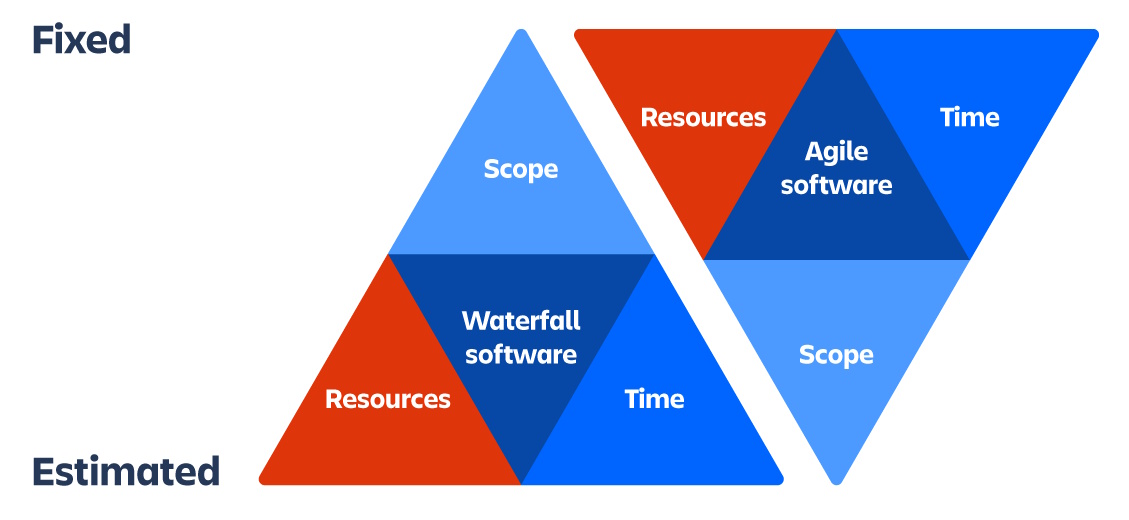
The idea of scope is the same in Agile development: what software to build and deliver. However, Agile focuses on high-level requirements rather than trying to come with deep and detailed requirements upfront. Because resources (budget) and time (schedule) are fixed, it's easier for development teams to change the project scope to meet the requested goals and objectives. So, the consensus among the team, which might be forced upon the sponsor(s) is to build something that would deliver small set of features (scope) that delivers customer value.
Suddenly, the Agile project scope becomes stretchable elastic band, it can be anything that comprises minimum set of values. A as sidekick benefit, by delivering MVP the project cannot fail by the definition, it is a success. The sponsors and the development team celebrate successful benefits delivery.
Why is the Minimum Viable Product NOT Viable Anymore?
But wait, these days, we see more MVPs failing to deliver on their promise, because the core focus is still on the minimum viable PRODUCT and not the minimum viable EXPERIENCE of the customer or user.
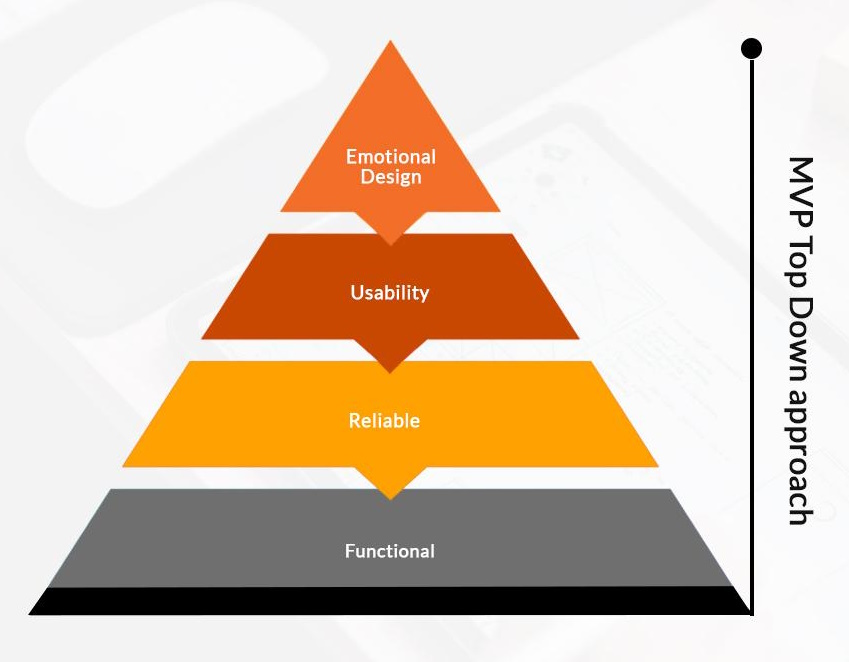
The Minimum Viable Product approach doesn’t work anymore and is becoming irrelevant due to several factors:
- Saturated Competition in Most Markets
Whether it is the food delivery space or the ride-hailing market, competition is tough. Customers are more willing — and quicker — to switch for a better feature or customer experience. A great example of this is how a new player in the ride-hailing market called ‘InDriver’ has been able to capture the majority share by offering users the ability to negotiate a fare with the driver. Competitors like this make it tough for companies to stand out from the crowd and acquire customers.
- Preference for Experience Over Features
It is getting trickier to succeed with the minimum viable product approach as customers are less willing to stick around for just the functionalities and features of a product alone — and that is all the MVP focuses on. The MVP approach revolves around building a great product with the least features, but to make MVPs succeed, a lot more is needed to be packaged with the product to make customers stay, like complete customer journey mapping for one of the features being used, or a full-blown product catalog. MVPs generally succeed when they have an engaged user base that is willing to live with a satisfactory user experience and missing features in order to have a clear roadmap of improvement and feature launches that they want from your MVP.
- Failure to Build Desirable Brand Experiences
The minimum viable product approach is also failing these days as most MVPs that are being pushed into the market generally have a degraded brand experience. Tech companies, for example, focus on putting out innovative features faster so they can keep their targeted user base of early adopters engaged. In doing so, they often fail in acquiring early and late majority users because they fall short in building a desirable brand experience around their products, since their core focus is always on shipping the features.
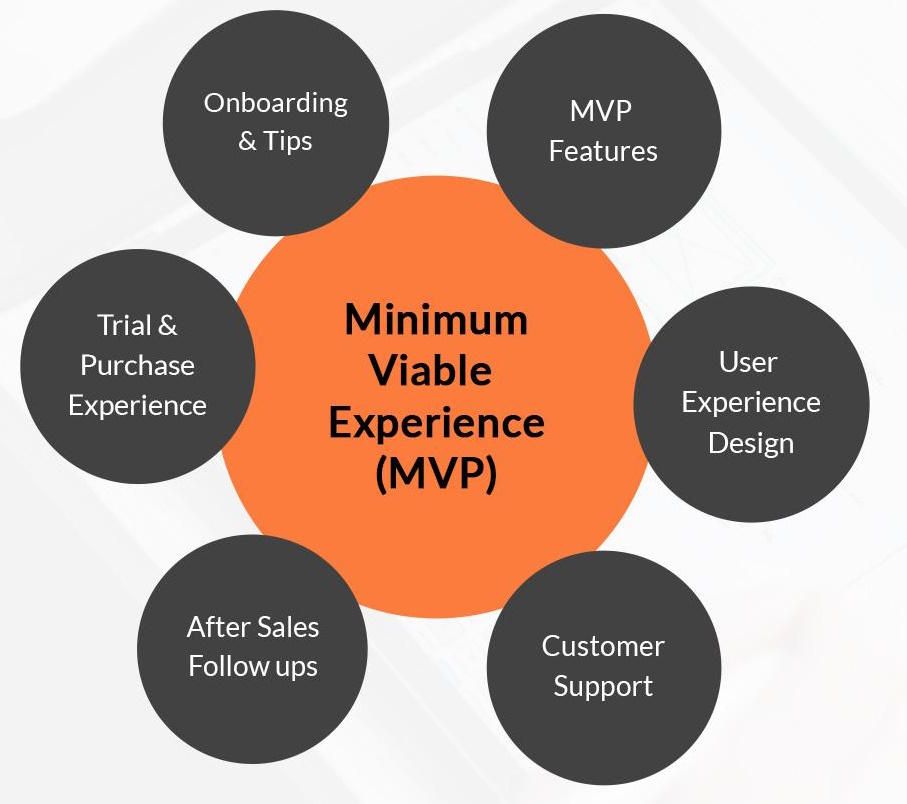
The Trend: Minimum Valuable Experience
The MVE approach focuses on the whole customer experience. At its core, MVE looks at the experience of your users/customers, either with a replacement or with an existing product. It asks the very important question of “what is the minimum experience we can deliver that will still satisfy our customers?”.